Review: 3D SVG Greeting Cards Template
As a digital publisher who has spent over a decade refining the visual identity of high-traffic lifestyle blogs and affiliate sites, I have learned that the difference between a bounce and a conversion often lies in the details of our graphic design asset choices. We are not just decorating pages; we are building trust through visual consistency. Recently, I integrated the Love You Card Paper Cut Template SVG into a content workflow for a seasonal campaign, and the results offered valuable insights into how layered vector art can elevate editorial design.
My first impression of this asset was its delicate balance between intricacy and clarity. In the world of web design, complexity can often lead to visual noise, especially on mobile devices. However, this template manages to retain its structural integrity even when scaled down. The paper-cut aesthetic creates a tactile, three-dimensional feel that stands out against the flat design trends dominating most modern interfaces. It feels inherently feminine, artistic, and warm, making it an ideal fit for niches focused on relationships, self-care, weddings, or heartfelt gifting. It does not scream for attention with bold, aggressive colors; instead, it invites the reader in with a sense of crafted care.
Elevating Editorial Mood and Reader Perception
When we publish content, we are setting a mood before the reader processes a single word. This digital product excels at establishing an emotional connection immediately. The floral motifs and layered depth suggest sophistication and thoughtfulness. For a blogger preparing featured images or Pinterest pins, this translates to higher perceived value. Readers subconsciously associate high-quality visuals with high-quality information. By using this template, you signal that your content is polished and professional.
The versatility of the design allows it to support various editorial tones. While it is naturally suited for romantic or celebratory topics, its clean lines also work well for educational content regarding DIY crafts or design tutorials. It avoids looking overly childish or cartoonish, which is a common pitfall with greeting card graphics. Instead, it maintains a modern, upscale appearance that aligns well with small business branding and premium affiliate marketing materials.
Practical Applications in Content Publishing
The true test of any design asset is its utility across multiple platforms. I tested this template in several real-world publishing scenarios, and its adaptability was impressive. Here is how it performs in specific contexts:
- Pinterest Graphics: The vertical orientation and detailed layers make it perfect for long-form pins. It captures attention in a crowded feed without requiring excessive text overlays.
- Newsletter Headers: Using the SVG format ensures crisp rendering in email clients that support it, or as a high-resolution PNG fallback. It adds a personal touch to automated sequences.
- Digital Guides and eBooks: As a cover element or chapter divider, it breaks up text-heavy layouts and provides visual relief.
- Lead Magnets: Incorporating this design into printable worksheets or checklists increases the likelihood of users sharing the resource, as it looks like a premium paid product.
- Social Media Graphics: It works beautifully as a background element for Instagram stories or Facebook posts, provided you adjust the opacity to ensure text readability.
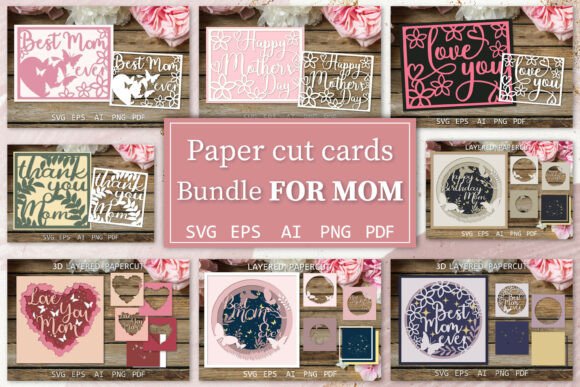
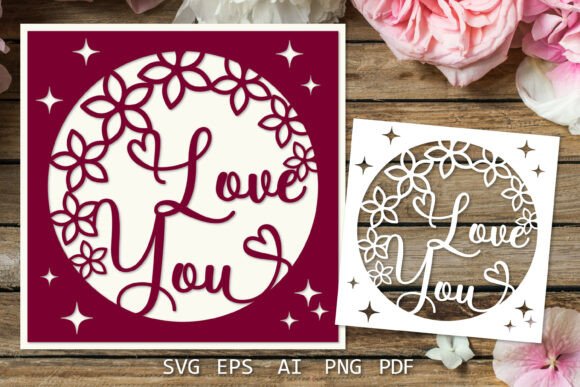
This love-themed card design, featuring intricate floral cutouts, serves as more than just a static image. It can be adapted for birthdays, engagements, Valentine’s Day, or as a general sign of affection. For publishers, this means one asset can serve multiple seasonal campaigns, maximizing the return on investment for your creative library.
Impact on Visual Hierarchy and Brand Identity
One of the most critical aspects of content marketing is maintaining a strong visual hierarchy. This template supports that goal by providing a clear focal point. When used as a website header or hero image, it draws the eye to the center, allowing you to place headlines strategically around the floral elements. This improves click-through potential because the user’s journey through the page is guided by the design.
Furthermore, consistent use of such distinctive assets strengthens your brand identity. If your audience recognizes your specific style of layered, paper-cut aesthetics, they are more likely to engage with your content across different platforms. It creates a cohesive look that ties your blog graphics, social media posts, and downloadable resources together. This consistency builds reader trust, which is the currency of the digital publishing world.
Where to Use It and Where to Exercise Caution
While this asset is versatile, it is not a one-size-fits-all solution. It works best in hero images, article thumbnails, and dedicated landing pages where it has room to breathe. However, there are scenarios where you should use it carefully.
Avoid using this template on small mobile thumbnails where the intricate details might blur into indistinguishable shapes. It is also not suitable for text-heavy blog images unless you significantly reduce its opacity or place it in a corner. For serious professional niches, such as corporate finance or legal advice, the decorative nature of the design might undermine the authority of the content. Similarly, if your website relies on a strictly minimal visual system, this ornate style could clash with your existing design assets.
Technical Considerations for Publishers
From a technical standpoint, working with a 3D SVG file offers significant advantages over raster images. Scalability is key for responsive web design. However, you must optimize the file size to ensure fast loading times. I recommend compressing the SVG code or converting it to WebP format for web use if the platform does not support inline SVGs.
Before finalizing your layout, test the design on both desktop and mobile screens. Check how it interacts with different typography styles. I found that it pairs exceptionally well with serif fonts for a classic look, but also complements clean sans-serif fonts for a modern twist. Avoid pairing it with overly decorative script fonts, as this can create visual competition. Always confirm the commercial licensing terms, especially if you are using the design in monetized areas like affiliate pages or paid digital products. Ensuring you have the right commercial license protects your business from legal issues down the line.
In conclusion, the Love You Card Paper Cut Template SVG is a powerful tool for publishers looking to add depth and emotion to their visual storytelling. When used strategically, it enhances the professional appearance of your content, supports better engagement metrics, and strengthens your overall brand presence in the competitive creative marketplace.