Reviewing Love Card Shadow Box Svg Cricut for Embroidery
As a designer who spends half my life digitizing and the other half stitching, I have learned to look past the glossy preview images. We all know that what looks crisp on a screen does not always translate cleanly to fabric. When I first encountered Love Card Shadow Box Svg Cricut, my initial reaction was cautious curiosity. It is marketed primarily as a layered paper craft asset, specifically a DRAW Pen CUT project tested with Cricut Explore Air. However, in the world of Crafts and Graphics, lines are often blurred. A clean vector path is a clean vector path, regardless of whether it ends up on cardstock or cotton.
I decided to evaluate this design not as a paper crafter, but as an embroidery professional looking for versatile assets. Could this layered "shadow box" aesthetic work for a stitched application? I pulled the files into my digitizing software to see if the geometry held up under the scrutiny of needle and thread.
The Visual Personality and First Impressions
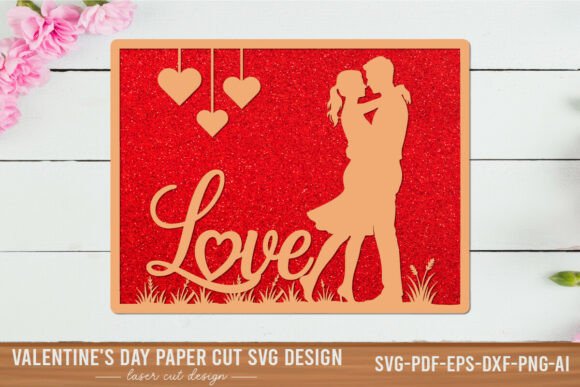
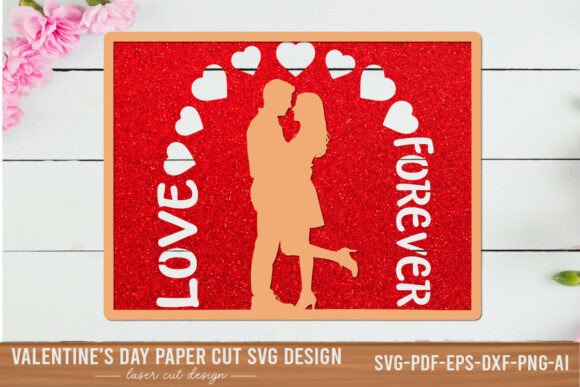
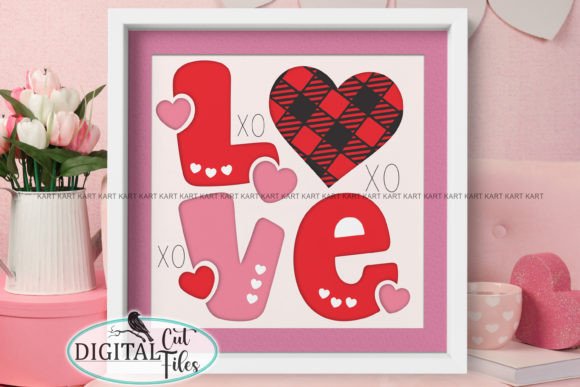
The mood of Love Card Shadow Box Svg Cricut is undeniably romantic yet structured. The layered approach creates depth, which is a challenge in embroidery since we cannot physically stack layers like paper without using appliqué techniques. The design features bold, clear lines that define the "LOVE" typography and the surrounding heart motifs. For an embroidery designer, this clarity is a double-edged sword. On one hand, bold lines are easy to stitch. On the other, they require precise alignment to maintain the intended shadow effect.
The visual personality feels modern and boutique-ready. It does not scream "generic holiday decor." Instead, it suggests a thoughtful, handmade product. This is crucial for Etsy sellers and small shop owners who need their items to stand out in a saturated market. The layout is balanced, with a central focus that draws the eye immediately. If you are creating a personalized gift, this design offers a strong foundation that does not require excessive embellishment to look complete.
Real-World Application: The Tote Bag Test
To test its viability, I imagined a specific real-life scenario: a custom order for a bridal shower. The client wanted a set of canvas tote bags that were elegant but durable. I considered using Love Card Shadow Box Svg Cricut as the basis for an embroidered patch or direct-to-garment stitching.
For a tote bag design, durability is key. The layered look of the SVG suggests depth, which can be mimicked in embroidery by using varying thread colors to create contrast between the layers. I envisioned using a satin stitch for the bold outlines and a fill stitch for the inner heart shapes. The result would be a textured, tactile piece that feels premium. Unlike a flat print, the raised stitches would catch the light, enhancing the "shadow box" illusion. This kind of attention to detail builds customer trust and increases the perceived value of the finished product.
However, I also considered sweatshirt embroidery. Here, the fabric texture plays a larger role. A heavy fleece might swallow small details. Because this design relies on distinct layers, I would need to ensure the stitch density was not too high, which could cause puckering on stretchy fabrics. A lighter weight jersey or a structured cotton blend would be a safer bet for maintaining the crispness of the lines.
Technical Considerations for Stitchers
It is vital to remember that Love Card Shadow Box Svg Cricut is originally a cut file. This means it consists of vector paths, not stitch data. You cannot simply load an SVG into an embroidery machine. You must digitize it or convert it using specialized software. This step is where many hobbyists stumble. The "instant download" nature of the file is convenient, but it requires technical skill to transform it into a functional machine embroidery design.
When converting this graphic, pay close attention to the corners. Sharp angles in vector graphics can become bulky knots in embroidery if not handled correctly. I recommend using a running stitch for fine details and reserving satin stitches for broader areas. If you attempt to use a dense fill stitch on the entire design, you risk creating a stiff, cardboard-like patch that lacks drape. This is particularly important for custom apparel like baby clothes or caps, where comfort is paramount.
Another critical factor is the hoop size. The product description notes a low size of 6x6 inches. In embroidery, this is a standard medium hoop size. However, if you plan to scale the design down for a pocket logo on a shirt or up for a pillow cover, you must re-digitize. Scaling an existing embroidery file distorts stitch lengths and densities. Always create a new digitization for each significant size change.
Fabric and Stabilizer Choices
The success of this design depends heavily on your material choices. For dark fabrics, you will need to adjust your thread colors to ensure the layers remain distinct. A monochromatic look can be sophisticated, but it risks losing the "shadow" effect that defines the design. I suggest testing on scrap fabric first. Try a light linen, a dark denim, and a stretchy knit to see how the design behaves.
Stabilizer selection is non-negotiable. For woven fabrics like cotton or linen used in kitchen towels or aprons, a cut-away stabilizer provides the best long-term support. For stretchy fabrics like those used in baby embroidery projects, a tear-away might suffice for low-density designs, but given the layered nature of this graphic, a cut-away is safer to prevent distortion after washing. Always hoop your fabric tautly to avoid shifting during the stitch-out.
Commercial Viability and Licensing
For commercial embroidery professionals, licensing is the most important detail. The product description states it is an instant download containing digital files. It does not explicitly state the commercial license terms for embroidery. Before selling any small shop product or Etsy listing featuring this design, you must confirm the license. Some SVG creators allow physical sales but prohibit digital resale. Others require an extended license for commercial use. Never assume. Check the seller's terms carefully to protect your business.
If the license permits, this design has strong potential for holiday embroidery collections, particularly for Valentine’s Day or anniversaries. It fits well within the niche of modern romance, appealing to younger demographics who prefer clean lines over traditional florals. It can also serve as a base for printable mockups if you are selling the digitized version as a design asset to other embroiderers.
Final Verdict for Designers
Love Card Shadow Box Svg Cricut is a promising starting point for creative embroiderers willing to do the digitizing work. It is not a plug-and-play solution, but rather a raw material for craftsmanship. Its strength lies in its clean geometry and emotional resonance. When executed with proper technique, it elevates simple items like embroidered patches or pillow covers into heirloom-quality pieces.
My advice is to approach it with a tester’s mindset. Start small. Stitch it on a scrap piece of fabric. Check your tension. Adjust your underlay. Once you master the translation from vector to thread, you will have a versatile design that can anchor a wide range of products. Whether you are a creative entrepreneur building a brand or a hobbyist making gifts, this design rewards patience and precision. It reminds us that in both paper crafts and embroidery, the beauty is in the layers.